Taiwan’s plastic packaging shortage sparks Costco purchase limits
The prolonged disruption of the Strait of Hormuz amid the war involving Iran has constrained shipments of crude oil and naphtha to Taiwan, creating uncertainty for the island’s plastics packaging supply chain.
In response to feedstock delivery delays caused by shipping disruptions in the Middle East, Taiwan’s Formosa Petrochemical Corporation has declared force majeure on select petrochemical supplies

Taiwan’s plastic packaging…
Flexible Plastics
Taiwan’s plastic packaging shortage sparks Costco purchase limits
01 Apr 2026 | By Sichong Wang

Key takeaways
- Taiwan’s Formosa Petrochemical Corporation has declared force majeure, while Formosa Plastics has announced production cuts on key petrochemical products.
- Taiwanese consumers have been stockpiling plastic packaging products, prompting Costco to impose purchase limits on items.
- Costco’s purchase limits cover items such as food storage bags and plastic wraps, effective until April 2.
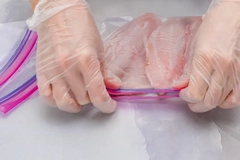
The prolonged disruption of the Strait of Hormuz amid the war involving Iran has constrained shipments of crude oil and naphtha to Taiwan, creating uncertainty for the island’s plastics packaging supply chain.
In response to feedstock delivery delays caused by shipping disruptions in the Middle East, Taiwan’s Formosa Petrochemical Corporation has declared force majeure on select petrochemical supplies. These include ethylene and propylene, with the company announcing production cuts and suspending new orders.
Meanwhile, due to the disruptions, Taiwanese consumers have stockpiled plastic packaging products, driven by concerns over potential price hikes and shortages.
In an effort to manage demand, Costco Wholesale Taiwan has implemented purchase limits, which started on March 27.
Ten types of packaging sold at Costco Taiwan, including food storage bags, garbage bags, plastic wrap, and zipper bags, will be restricted to one set per membership card.
Taiwan’s plastic packaging shortage sparks Costco purchase limits